
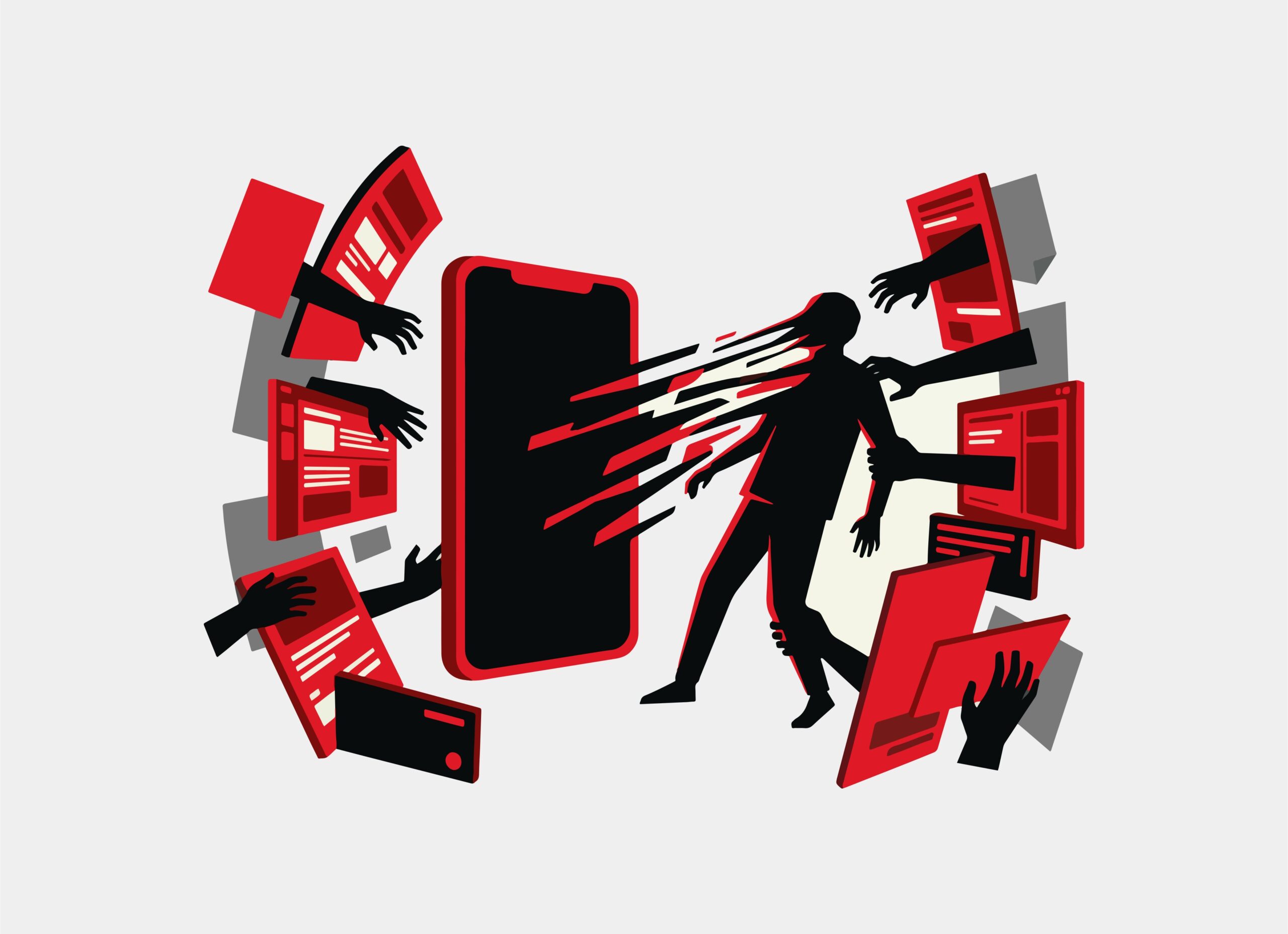
Nigeria now consumes over 13 million terabytes of data monthly. Phones are glued to palms from the moment the alarm rings. The brain is being rewired in real time, and most of us are too busy scrolling to notice.
Constant notifications from WhatsApp groups, X arguments, Instagram flexing, and work Slack create attention residue. You finish one task but the mind is still half on the last post. Dopamine loops keep you chasing the next hit while focus evaporates. In Lagos, where data is expensive but necessary for survival gigs, we pay twice with money and with cognitive bandwidth.
The symptoms are familiar: brain fog by 2 p.m, inability to read a full report without checking the phone, irritability when signal drops. Blue light at night destroys melatonin. The same device that lets you run your side hustle also prevents deep work and deep rest. Our brains evolved for focused attention, not constant partial attention.
The fix is deliberate. Phone-free zones in the house. Do Not Disturb from 9 p.m. to 7 a.m. Single-task blocks of 90 minutes where the phone lives in another room. Use the data you pay for intentionally not reactively. The professional who masters this regains hours every week and protects his most valuable asset: a calm, focused mind.
Digital fatigue is not “just how it is.” It is a choice we can reverse. In a country where connectivity is both lifeline and trap, the ones winning long-term treat their attention like the scarce resource it is.
Screens are now part of everyday life.
Work, communication, entertainment everything happens through devices. But constant exposure is changing how the brain functions.
Digital fatigue is not just about “too much phone use.” It’s about how constant screen exposure is reshaping how the brain processes information.
The brain processes large amounts of information continuously, leading to overload.
Reduced Attention Span
Frequent switching between apps and notifications trains the brain to expect constant stimulation.
This makes it harder to focus on tasks that require deep thinking.
Mental Exhaustion
Even without physical effort, prolonged screen use leads to fatigue.
The brain processes large amounts of information continuously, leading to overload.
Sleep Disruption
Late-night scrolling delays sleep and reduces quality.
Managing Digital Use
Solutions include:
Setting screen limits
Taking breaks
Reducing unnecessary notifications
The Productivity Illusion
Many people feel busy because they are always on their devices.
But being active is not the same as being productive.
You can spend hours online responding to messages and still make little real progress on important tasks.
Why It’s Hard to Reduce Screen Time
Screens are tied to essential activities:
Work communication
Business transactions
Learning
So the goal is not to eliminate screens, but to manage usage.